

Search Website

Truth and Reconciliation at Western
Advancing understanding, accountability, and meaningful relationships through Indigenous-led reconciliation efforts.
Truth and Reconciliation at Western
Advancing understanding, accountability, and meaningful relationships through Indigenous-led reconciliation efforts.
Truth and Reconciliation at Western
Advancing understanding, accountability, and meaningful relationships through Indigenous-led reconciliation efforts.
Truth and Reconciliation at Western
The term “reconciliation” came into broader use after World War II to describe post-conflict healing processes following human rights violations. In the Canadian context, ‘Reconciliation’ refers to addressing the ongoing impacts of colonialism and working to improve relationships between Indigenous Peoples and the Canadian state.
Advancing this work has long been a priority at Western. In 2016, the university released its Indigenous Strategic Plan, which outlines institutional commitments to strengthening relationships with Indigenous Peoples, expanding Indigenous learning and research, and supporting Indigenous students, staff, and faculty. This foundation continues to guide Western today.
Building on that commitment, one of Western University's key strategic priorities in the "Towards 150" strategic plan is "advancing Reconciliation with Indigenous communities" under theme two - People, Community and Culture.
About The Truth and Reconciliation Commission
The Truth and Reconciliation Commission was formed in 2008 after the Indian Residential Schools Settlement Agreement. Survivors requested that part of their settlement be used to create a commission to document what happened in Indian residential schools (IRSs) so no Canadian could claim ignorance of the system.
Between 2008 and 2015, the Truth and Reconciliation Commission (TRC) travelled across the country listening to and recording thousands of Survivor and family testimonies. In their Final Report, released in 2015, it included 94 Calls to Action. Each Call to Action is a specific recommendation to redress the legacy of the residential school system and advance Reconciliation.
In 2028, two years after the TRC Calls to Action were released, Truth and Reconciliation Commissioner, Senator Murray Sinclair-baa, says Canadian can work towards reconciliation:
Status Update on the 94 Calls to Action
Indigenous Watchdog, an independent non-profit organization, tracks progress on each of the TRC Calls to Action and reports on areas of advancement and stalling. See Indigenous Watchdog for regular updates.
Current Status
16/94
0/11
14/94
What Reconciliation Means at Western
Reconciliation is about:
- Truth-telling
- Restoring relationships
- Supporting Indigenous-led priorities
- Long-term systemic change
Reconciliation is not:
- A checklist
- A one-off event
- Done without Indigenous leadership or consent
Begin Your Learning Journey at Western
Explore learning opportunities on campus:
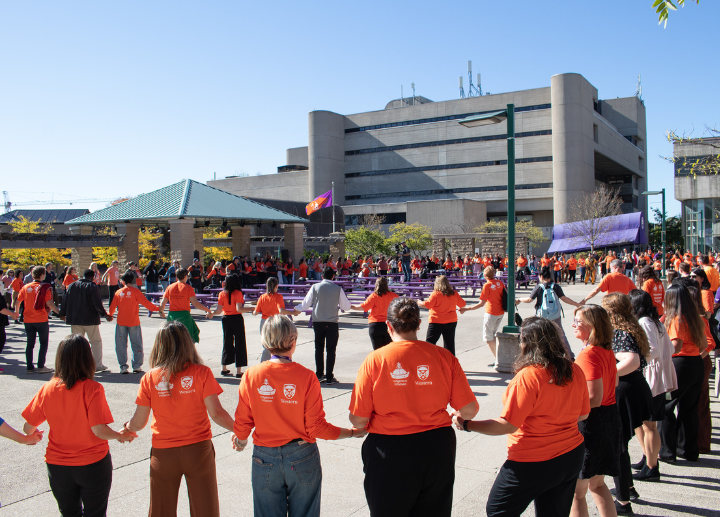
Explore NDTR Events
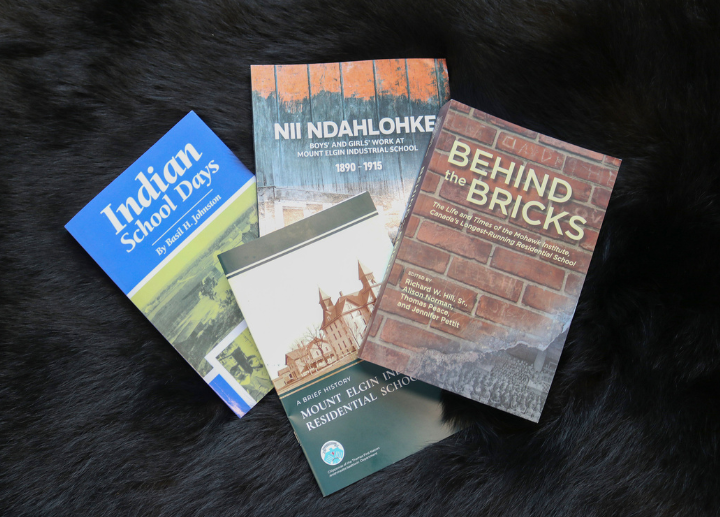
Learn More About Indian Residential Schools

Read Western's NDTR Toolkit
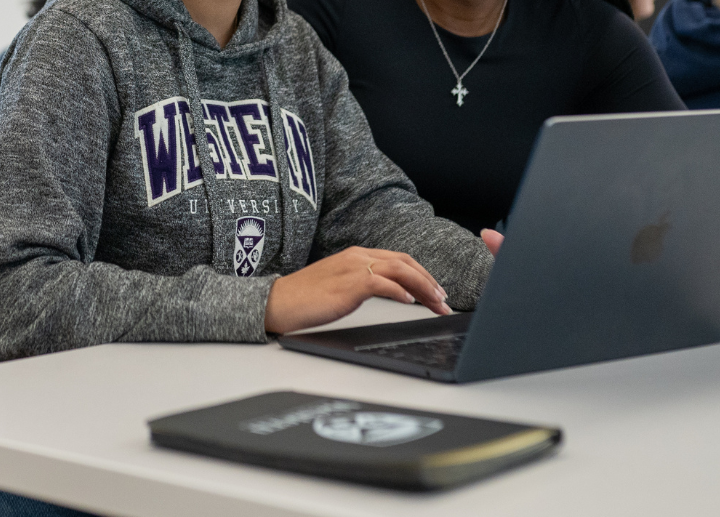
Begin Learning Online
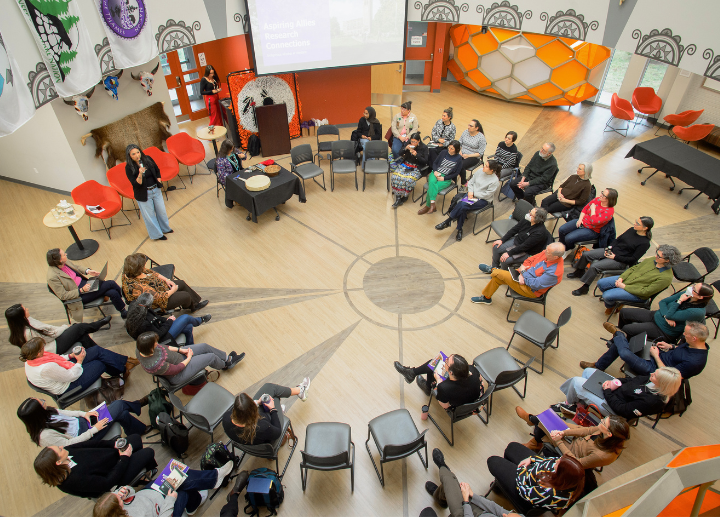
Access Allyship Resources
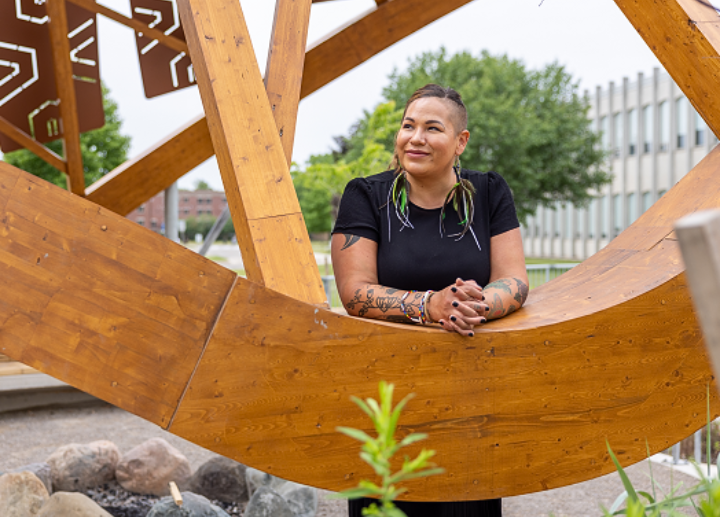
Take an Indigenous Studies Course
Supporting Indigenous Students, Staff, Survivors & Community Members
While educators have a responsibility to foster learning through discussion and critical thinking, conversations about the severity or intent of the Residential School system, such as whether it constitutes genocide, must be approached with care. These discussions extend beyond the classroom and should aim to foster belonging, promote Reconciliation, and avoid retraumatization.
The impacts of Residential Schools are ongoing and deeply felt in Indigenous communities today, affecting education, child welfare, incarceration rates, health, culture, and spirituality. Educators and facilitators must approach this topic with sensitivity and a trauma-informed mindset
Please consult the Engaging with the National Day for Truth and Reconciliation Toolkit for further information and specific tips for teaching and discussing this topic with care.
Wellness Support Resources
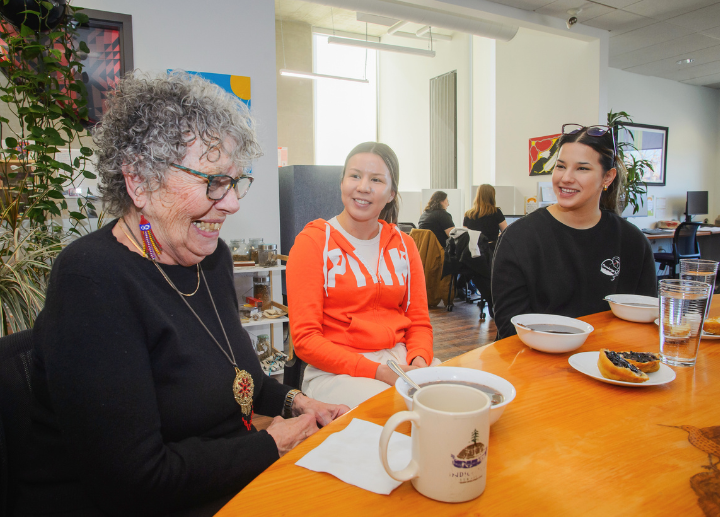
Cultural Supports at the Indigenous Student Centre
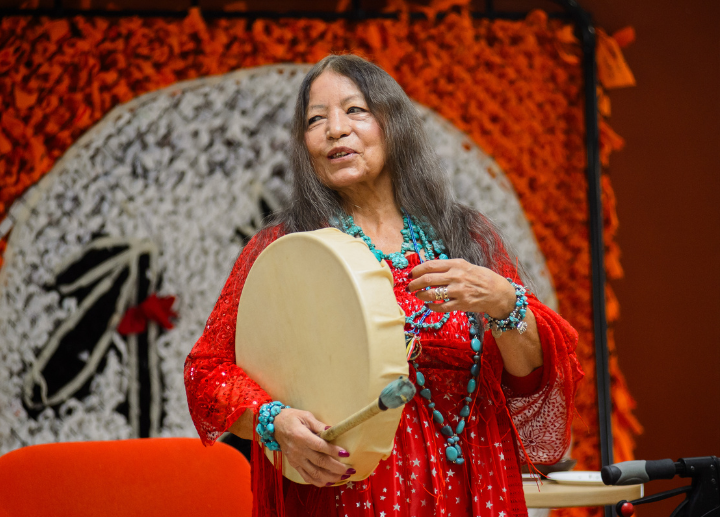
Elder-in-Residence at the Wampum Learning Lodge

Western's Wellness & Well-being Information
Atlohsa Family Healing Services
National Indian Residential School Crisis Line
Hope for Wellness Helpline

Ways You Can Take Action
- Learn about the local Residential school history
- Read the TRC Summary
- Support Indigenous authors, creators, and scholars
- Attend learning opportunities at Western
- Engage respectfully and humbly
Frequently Asked Questions
- Western Bookstore
- Rezonance Printing
- Indigenous Watchdog
- Yellowhead Institute’s “Calls to Action Accountability: A 2023 Status Update on Reconciliation
Western’s strategic priority of advancing Reconciliation, along with the formation of the Office of Indigenous Initiatives, guides ongoing relationship-building with local First Nations and London’s urban Indigenous community through teaching, research, community service, and partnerships.
Read the Office of Indigenous Initiatives’ annual reports to learn more about progress on campus.
Your actions, contributions, and commitment are valued – and needed.